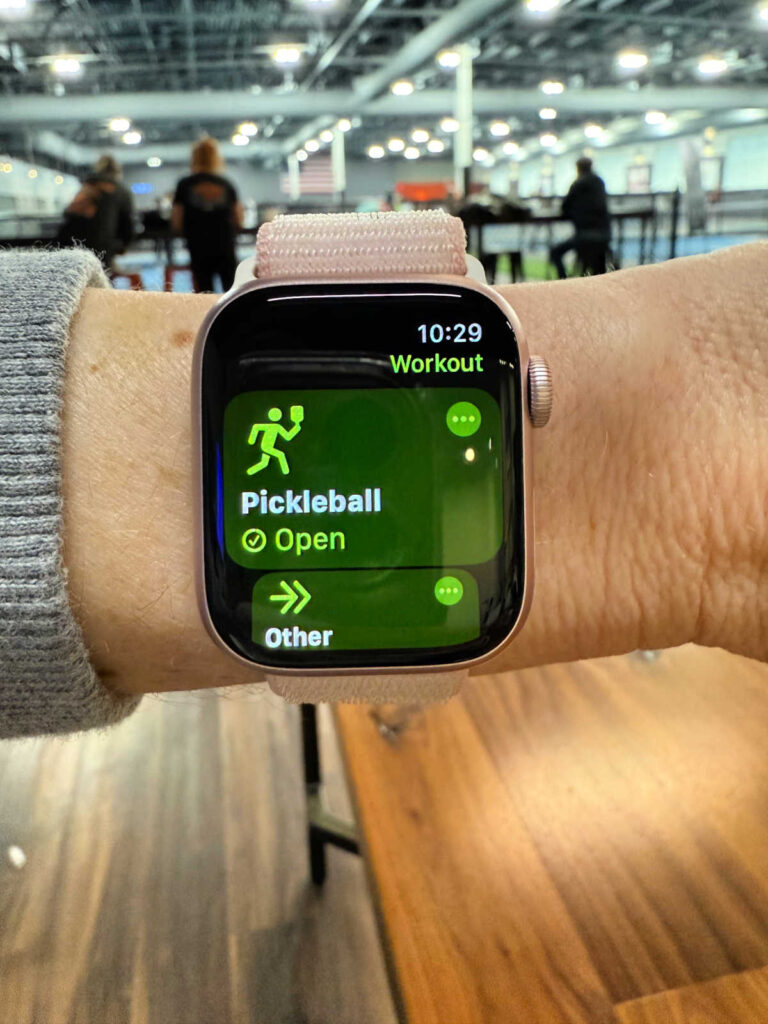
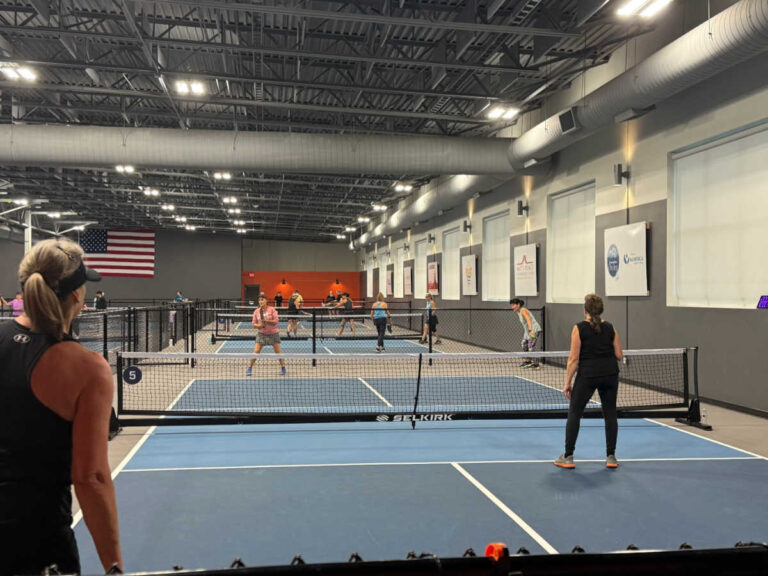
Pickleball Drills are one of the best ways for beginners to improve quickly and feel more confident on the court. Many new players focus only on playing games, but simple drills help build consistency, control, balance, and better decision making. Even practicing for a short amount of time each week can make a huge difference. These are designed to teach the basics while helping players develop good habits from the start.
Beginner Drills for Pickleball
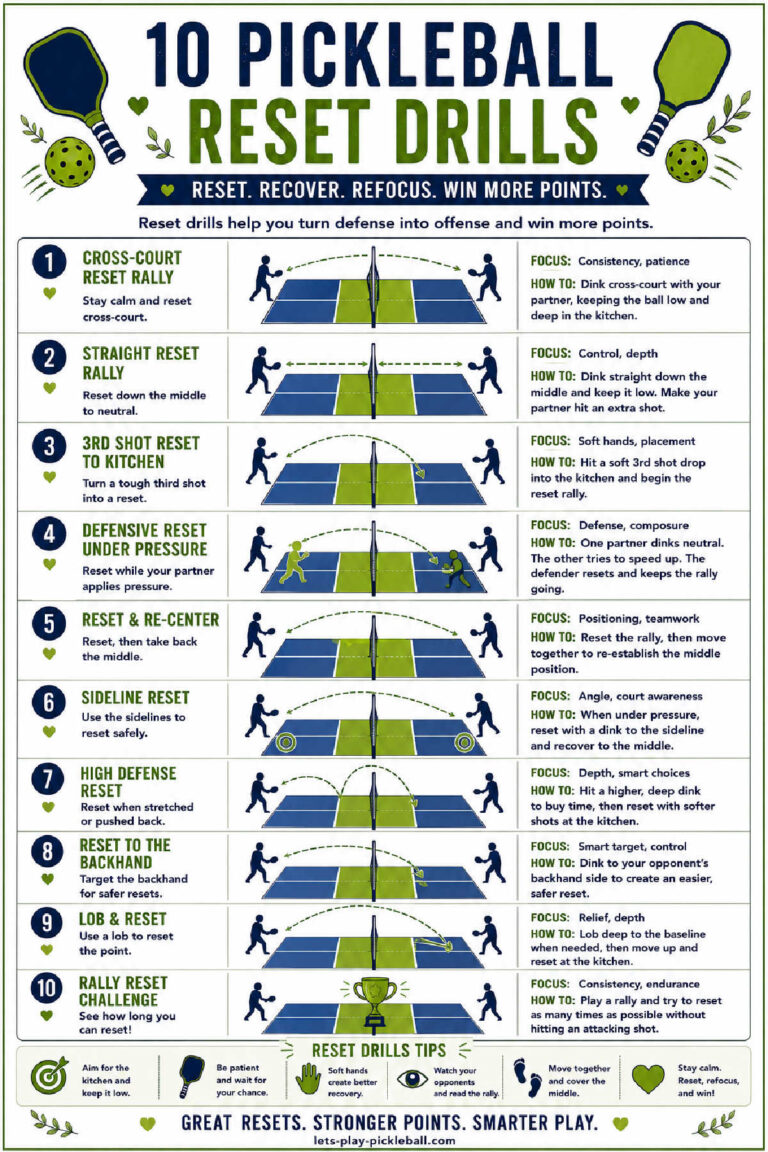
1 – One of the easiest to start with would be to practice dinking. This drill helps players learn touch and control near the kitchen line. Two players stand across from each other at the non volley zone and softly hit the ball back and forth. The goal is to keep the ball low and controlled instead of hitting hard shots. Dinking teaches patience and helps beginners slow the game down while improving accuracy. Players quickly learn how important soft hands and consistency are in pickleball.
2 – Another one would be to practice the forehand and backhand drill. Players hit the ball back and forth while alternating between forehand and backhand shots. This drill builds confidence on both sides of the body and improves paddle control. Many beginners naturally favor one side, but practicing both shots creates a more complete player. Staying balanced and using short controlled swings are important during this drill.
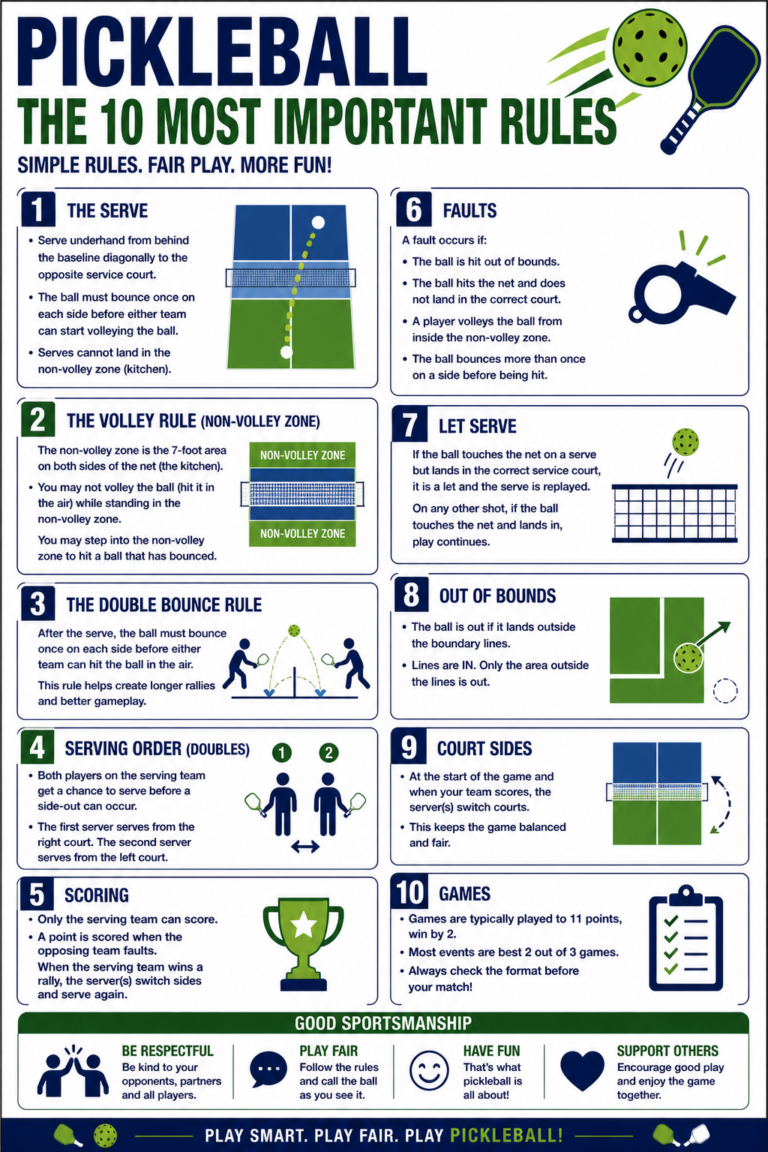
3 – The serve and return drill is also important for new players. You should work on having a consistent serve and understand serving rules. Players can practice serving deep into the court and returning the ball consistently. Beginners should focus more on placement and accuracy instead of power. A deep serve or return makes it harder for opponents to attack early in the rally. Repeating this drill helps players feel more comfortable during real games.
4 – Wall drills are excellent for practicing at home with your pickleball paddle and a ball. A player can hit the ball against a wall and work on quick reactions, paddle control, and consistency. This is a simple way to practice without needing another player or a court. Beginners can practice forehands, backhands, volleys, and dinks using a wall. It is also a great workout because it will improve hand eye coordination and reaction time.
5 – Target practice drills are fun and helpful for beginners. Players place cones, towels, or markers on different parts of the court and try to practice hitting them with the ball. This teaches control and placement instead of simply hitting the ball as hard as possible. Good placement is one of the most important skills in pickleball. Beginners who learn to aim their shots early often improve faster than players who only focus on power.
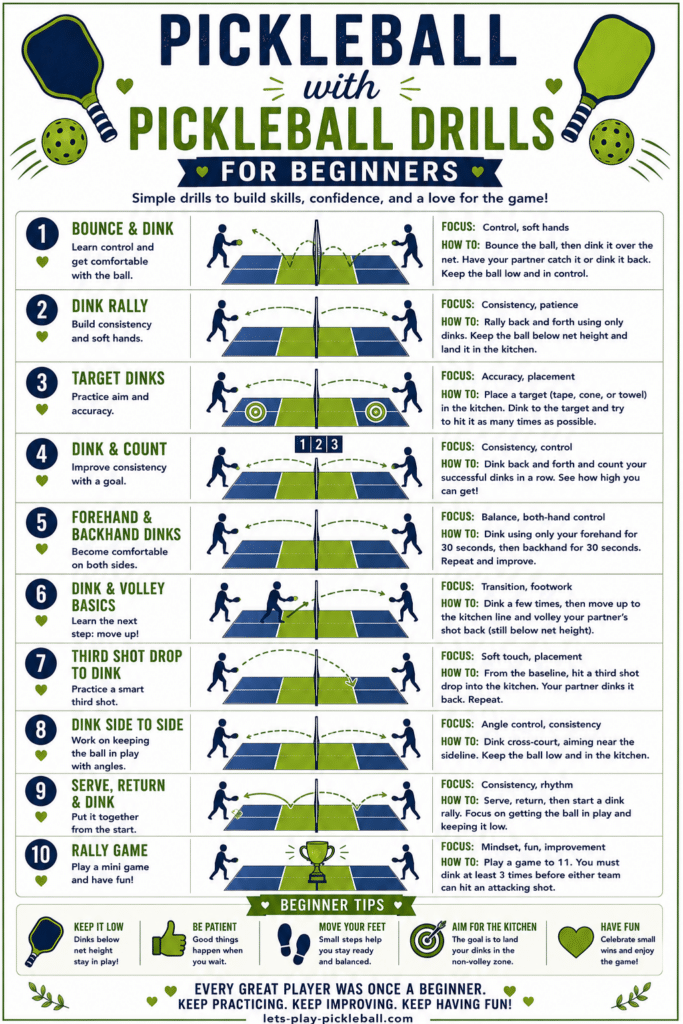
6 – The third shot drop shot is another valuable beginner exercise. This shot is used to softly hit the ball into the kitchen after the serve and return. It allows players to move closer to the net safely. Beginners may struggle with this shot at first, but regular practice helps develop touch and confidence. Start with straight ahead and then transition to cross court (which is better – to the backhand)
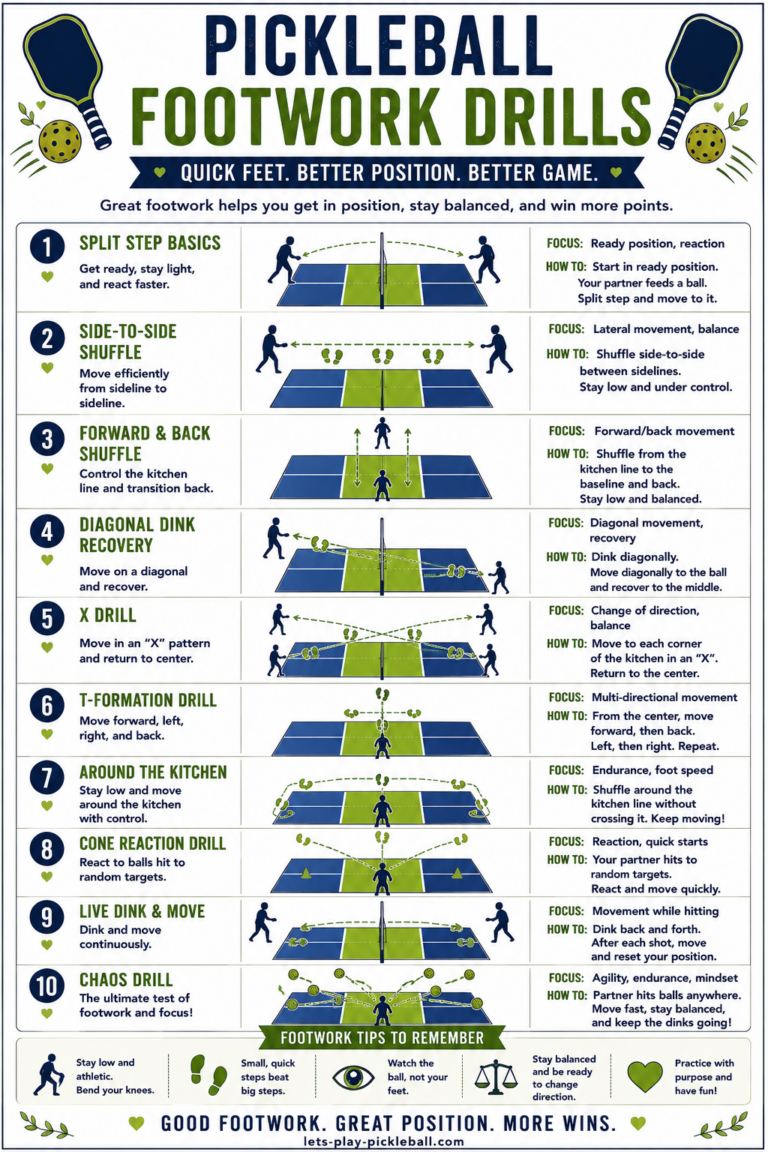
7 – Pickleball footwork drills also help beginners move better around the court. Simple side shuffles, forward movement, and recovery steps improve balance and positioning. Many beginners focus only on the paddle, but good footwork makes every shot easier. Staying light on your feet and moving into position quickly helps players stay ready during fast rallies.
PDF Printable
If you want to keep a copy of the sheet you see above that is a great idea. Bring this beginner drills printable with you so you can refer to it and show your friends. There are diagrams so you can see and read about each one, and their basics to remind you when you are on the court.
You should remember that improvement takes time and repetition. Drills may seem simple at first, but they build the foundation for better performance during games. Practicing with patience and focusing on consistency often leads to faster progress. It is better to hit controlled shots correctly than to rush and make mistakes.
Pickleball is meant to be fun, and drills can make practice enjoyable while helping players improve. Whether practicing dinks, serves, volleys, or footwork, every drill helps build confidence and skill. The more beginners practice the basics, the more comfortable they become on the court. Over time these small improvements turn into better games, longer rallies, and more success during matches.